ヒューマノイド・ロボティクスは、高度なメカニクス、エレクトロニクス、AIを融合し、人とリアルタイムで対話して、変化の早い複雑な環境に適応するマシンを開発することを目指す技術で、最もダイナミックな分野の1つに急速になりつつあります。アプリケーションは、産業用オートメーションからロジスティクス、ヘルスケア、パーソナル・アシスタンスまで多岐にわたり、精度と適応性が不可欠です。その進歩を推進しているのは、半導体技術、統合センシング、およびスケーラブル・コンピューティングのイノベーションであり、共同研究と堅牢な開発エコシステムに支えられています。ヒューマノイド・ロボティクスは、世界的な関心の高まりと機会の拡大とともに、ハードウェア、ソフトウェア、インテリジェンスがシームレスに連携する未来を形作っています。
コネクティビティ・ユニット
コネクティビティ・ユニットは、ヒューマノイド・ロボット内およびロボットと外部システム間のすべての無線 / 有線通信インタフェースを管理します。協調動作、リモート制御、より広範なネットワークへの統合に不可欠な安全確実で低遅延のデータ交換を実現します。
詳細はこちら
ハンド・ユニット
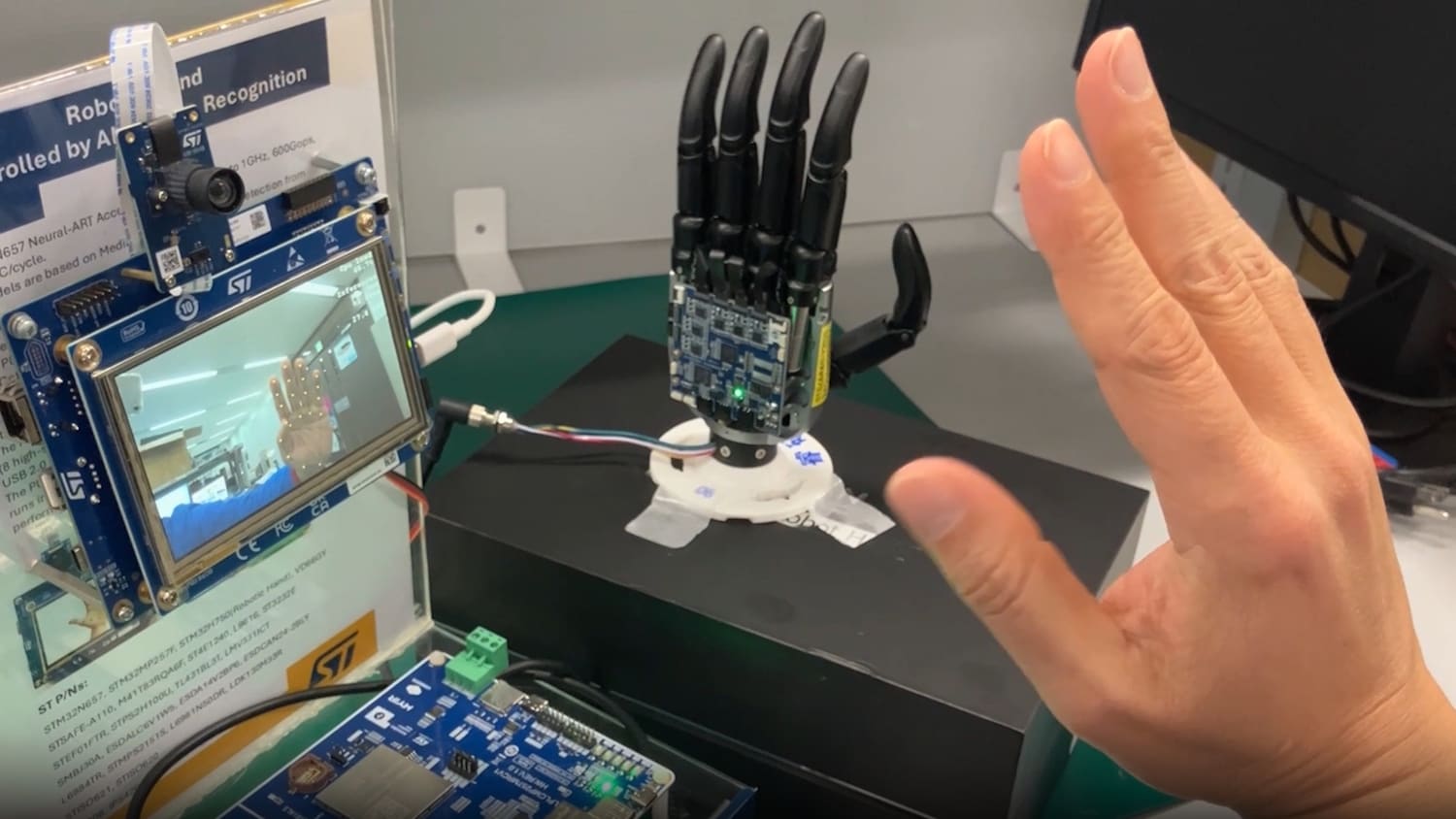
ハンド・ユニットは、ヒューマノイド・ロボット・ハンドの細かい動きと触覚センシングを制御する役割を担っています。正確な多自由度操作を可能にし、把持、物体認識、人との相互作用などの繊細な作業に必要な感覚フィードバックを提供します。
詳細はこちら
パワー・マネージメント
コネクティビティ・ユニットは、ヒューマノイド・ロボット内およびロボットと外部システム間のすべての無線 / 有線通信インタフェースを管理します。協調動作、リモート制御、より広範なネットワークへの統合に不可欠な安全確実で低遅延のデータ交換を実現します。
詳細はこちら
ヘッド・ユニット
ヘッド・ユニットは、ヒューマノイド・ロボットの知覚と相互作用の中枢で、高度なビジョン・センサ、慣性測定ユニット(IMU)、頭部関節のモータ制御、有線通信インタフェース、パワー・マネージメントを統合しています。このサブシステムは、ロボットの周囲環境の高精度認識、物体認識、顔認識、人間との自然な対話を可能にし、協働型製造からパーソナル・アシスタンスまでのアプリケーションに不可欠です。ヘッド・ユニットは、ヒューマノイド・ロボットの知覚と相互作用の中枢で、高度なビジョン・センサ、慣性測定ユニット(IMU
詳細はこちら
ボディ・センシング・ユニット
ボディ・センシング・ユニットは、ロボットの胴体とアームに配置されたさまざまなセンサからデータを収集し、前処理する役割を担います。このサブシステムは、ロボットが環境を正確に認識し、適応的に応答できるようにして、障害物検出、姿勢監視、環境マッピングなどのタスクを支えます。
詳細はこちら
ボディ・メイン・プロセッシング・ユニット
ボディ・メイン・プロセッシング・ユニットは、ヒューマノイド・ロボットの中央演算ハブとして機能し、多軸モーション制御、センサ・データ集約、パワー・マネージメント、内部通信などのコア機能を調整します。このユニットは、さまざまなサブシステム間の複雑な相互作用を調整し、ロボットのアーム、センサ、インタフェースのスムーズな同期動作を実現する上で重要です。高性能の処理とリアルタイムの応答性のバランスを取りながら、ロボットが動的なタスクを正確かつ確実に実行できるようにします。
詳細はこちら
関節ユニット(脚 & 腕)
関節ユニットは、ヒューマノイド・ロボットの腕と脚の複雑な制御を管理し、スムーズかつ正確で協調的な多関節運動を可能にします。モータ制御、センシング、パワー・マネージメント、シグナル・コンディショニングを統合することで、器用さと強度が要求されるタスクに不可欠な応答性と安全性の高い作動を実現します。
詳細はこちら
ヒューマノイド・ロボティクスの主な課題
ヒューマノイド・ロボットの主な課題
- 価格競争力:ヒューマノイド・ロボットの事業化のハードルを引き下げ
- エネルギー効率:ロボットの稼働時間に影響
- 安全性とサイバーセキュリティ・コンプライアンス:人間とロボットの相互作用に関する厳格な安全基準と規制要件の遵守
ヒューマノイド・ロボティクスにSTを選ぶ理由
STは、高性能STM32、STM32MP1/2ファミリ、組み込みAI / エッジ・コンピューティング向けAI対応NPUなど、ヒューマノイド・ロボティクスの複雑な要求に応える半導体製品の包括的な統合ポートフォリオを提供しています。
マルチジョイント・アクチュエータとサーボの正確かつ効率的な制御を可能にするインテリジェント・モータ・ドライバ、ゲート・ドライバ、オペアンプ、電流検出アンプ、コンパレータ、絶縁インタフェース、および電源モジュール。
状況認識や相互作用のための豊富なデータを提供する、業界で認められた慣性測定ユニット(IMU)と、3軸加速度センサ、ジャイロセンサ、地磁気センサ、ToF 3Dイメージング、レーダ、大気圧センサ、環境センサなどの幅広いセンサ。
シームレスな通信と統合を実現するCAN、Ethernet、IO-Link、無線通信技術(Bluetooth、Wi-Fi)などのコネクティビティ・ソリューション。エネルギ効率の高いPMIC、バッテリ・モニタリング、バランス調整、マネージメント・システム(BMS)、スイッチング・レギュレータ、リニア・レギュレータ、LDOにより、電力使用量を最適化し、ロボットの稼働時間を延長します。
IPSや電子ヒューズなどの電力分配と保護機能により、電力を分配し、負荷を保護しながら、システムの堅牢性と安全性を維持します。安全性とセキュリティ:人間のオペレータと知的財産を保護する機能安全認証済みマイコンおよびセキュリティ・ソリューション。
STは、さまざまなリファレンス設計、製品化されたパートナー・モジュール、包括的なサポート・ネットワークなど、完全なロボット開発エコシステムを提供しています。