Save to myST

Humanoid robots

Humanoid robotics is rapidly becoming one of the most dynamic areas in technology, blending advanced mechanics, electronics, and AI to create machines that interact in real time with people and adapt to complex and fast-changing environments. Applications range from industrial automation and logistics to healthcare and personal assistance, where precision and adaptability are essential. Progress is driven by innovations in semiconductor technology, integrated sensing, and scalable computing, supported by collaborative research and robust development ecosystems. With growing global interest and opportunities, humanoid robotics is shaping a future where hardware, software, and intelligence work seamlessly together.

Articulations (Legs and arms)

The Articulation Unit manages the complex control of the humanoid robot’s arms and legs, enabling smooth, precise, and coordinated multi-joint movements. It integrates motor control, sensing, power management, and signal conditioning to deliver respo
View application

Body main processing unit

The Body Main Processing Unit serves as the humanoid robot’s central computational hub, orchestrating core functions such as multi-axis motion control, sensor data aggregation, power management, and internal communication. This unit is critical for c
View application

Body sensing unit

The Body Sensing Unit is responsible for collecting and preprocessing data from a wide array of sensors distributed across the robot’s torso and limbs. This subsystem enables the robot to perceive its environment accurately and respond adaptively, su
View application

Connectivity unit

The Connectivity Unit manages all wireless and wired communication interfaces within the humanoid robot and between the robot and external systems. It ensures secure, reliable, and low-latency data exchange critical for coordinated operation, remote
View application

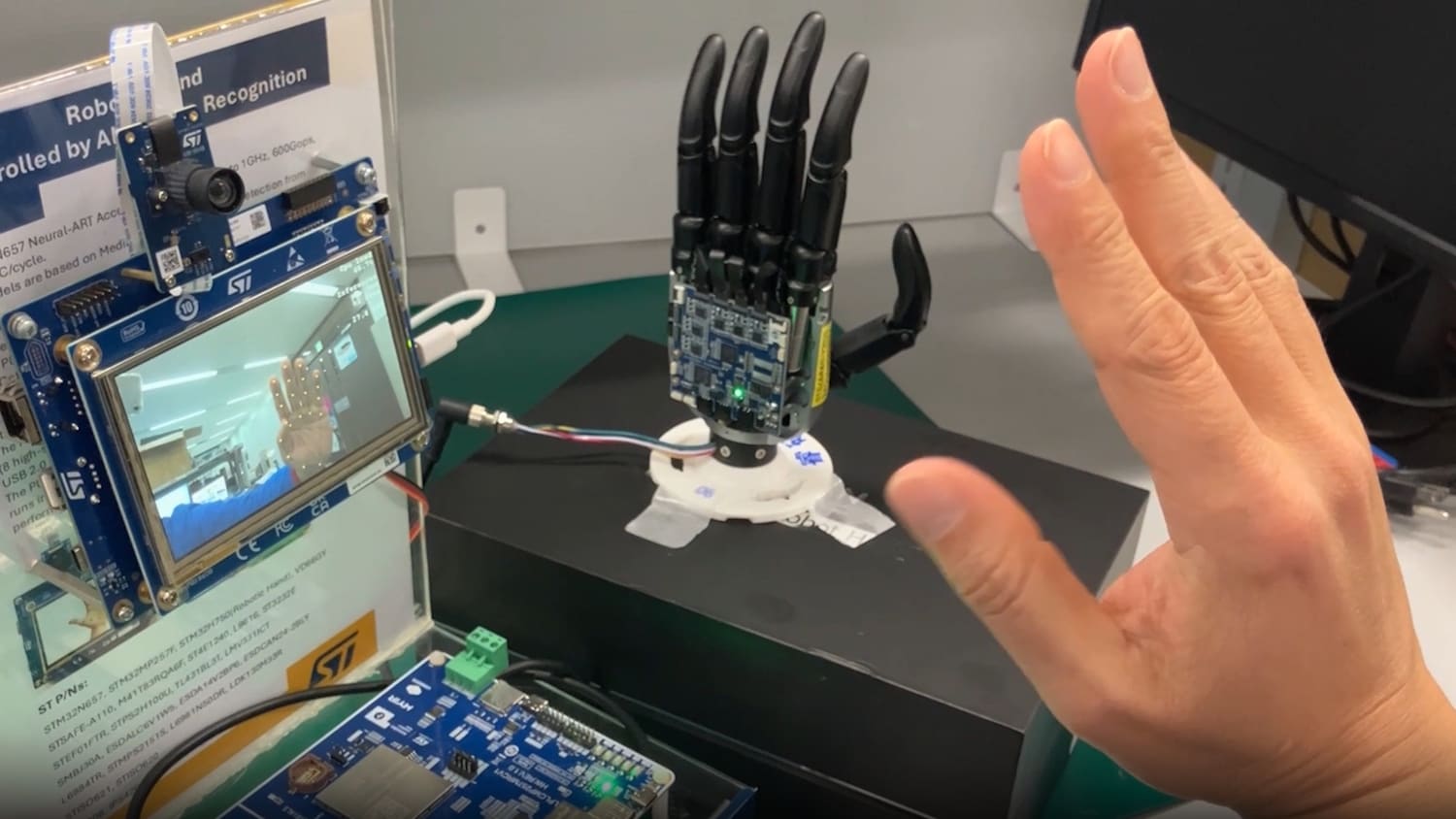
Hand unit

The Hand Unit is responsible for controlling fine motor movements and tactile sensing in the humanoid robot’s hands. It enables precise, multi-degree-of-freedom manipulation and provides sensory feedback necessary for delicate tasks such as grasping,
View application

Head unit

The Head Unit is the central hub for perception and interaction in humanoid robots, integrating advanced vision sensors, inertial measurement units (IMUs), motor control for head articulation, wired communication interfaces, and power management. Thi
View application

Power management

The Connectivity Unit manages all wireless and wired communication interfaces within the humanoid robot and between the robot and external systems. It ensures secure, reliable, and low-latency data exchange critical for coordinated operation, remote
View application

Key Challenges for Humanoid Robotics

Major Challenges for Humanoid Robots

  • Price-competitiveness reducing the barrier of commercializing Humanoid Robots. 
  • Energy efficiency: this affects the operational hours of Robots.
  • Safety and Cybersecurity compliance: Meeting stringent safety standards and regulatory requirements for human-robot interaction.

Why Choose ST for Humanoid Robotics

ST offers a comprehensive and integrated portfolio of semiconductor products to meet the complex demands of humanoid robotics: High-performance STM32, STM32MP1/2 families, and AI-enabled NPUs for embedded AI and edge computing. 

Intelligent motor drivers, gate drivers, OpAmps, Current sensing amplifier, comparators, isolated interfaces and power modules that enable precise, efficient control of multi-joint actuators and servo.

Industry-accepted IMUs and a broad range of sensors, including 3-axis accelerometers, gyroscopes, magnetometers, ToF 3D imaging, radar, pressure, and environmental sensors, providing rich data for situational awareness and interaction.

Connectivity solutions such as CAN, Ethernet, IO-Link, and wireless technologies (Bluetooth, Wi-Fi) to ensure seamless communication and integration. Energy-efficient PMICs, battery monitoring, balancing, and management systems (BMS), switching and linear regulators, LDO to optimize power usage and extend robot uptime.

Power distribution and protections like IPS and e-fuse for distributing power and protecting loads meanwhile maintaining system robustness and safety. Safety and security: Functional safety-certified MCUs and security solutions that protect human operators and intellectual property.

STMicroelectronics provides a complete ecosystem for robotics development, including a wide variety of reference designs, commercialized partner modules, and a comprehensive support network.