

組み込み設計におけるセキュリティ・レベルの向上
IoT製品の台頭は、私たちを取り巻く世界との関わり合い方を変えました。
スマート・ホームから工場まで、これらのコネクテッド・デバイスは今や私たちの日常生活の一部になり、物事をより簡単かつ効率的にしています。
特にデータ・プライバシーと知的財産(IP)保護の面で、セキュリティの強化を求める声が高まる中、STはSTM32シリーズにスケーラブルなアプローチを実装することにより、セキュリティに率先して取り組んでいます。
これらのニーズに対応するため、STは次の6つの重要な基盤に基づき構築されたSTM32Trustを提供しています。

セキュリティ機能 & サービス
最終アプリケーションのセキュリティが確保され、十分に保護されることを保証します。ハードウェア、ソフトウェア、およびサービスを介して、一連のセキュリティ機能を自由に利用できます。

標準 & 規制
電子システムが準拠しなければならない政府の規則を理解し、お客様がコンプライアンスを確保できるようにします。

セキュリティ保証 & 規格
特に堅牢性の観点から、サイバーセキュリティの測定方法として標準化されたものと普遍的ではないものを参照してください。

ソフトウェア・セキュリティ・ポリシー策定プロセス
包括的なSTM32ソフトウェア・セキュリティ・ポリシーを策定し、維持することで、セキュアで信頼性の高いデバイスの開発を可能にします。

パートナー
頼れるパートナーが存在します。堅牢なセキュリティ・ソリューションの実現を支える上で欠かせないST認定パートナーをご覧ください。

開発リソース
利用可能なものとその使いやすさを知るのに役立つ豊富なセキュリティ・リソースが用意されています。
セキュリティ評価および実装フロー
このフローチャートは、組み込みシステムのセキュリティ管理に対する体系的なアプローチを示しており、ユーザが資産を効果的に保護する上で重要な問いと意思決定をガイドします。
保護対象の資産を決定する
「保護しなければならないものは何か?」という問いは、データ、知的財産、財源など、保護を必要とする重要資産を明確にするのに役立ちます。
脅威を特定する
これは「何が心配なのか?」を問うことから始まります。このステップでは、システムのセキュリティを脅かす可能性のある潜在的な脅威を特定することに重点を置きます。
セキュリティ問題と脆弱性を評価する
次に「セキュリティに問題があるか?」を問うことで、既存のセキュリティ問題が存在するかどうかを検討します。これにより、脅威によって悪用される可能性のある潜在的な弱点と脆弱性が浮き彫りになります。
セキュリティ機能を選択し、実装する
特定された脅威、資産、脆弱性に基づいて、適切なSTM32Trustセキュリティ機能を選択し、実装します。これらの機能は、リスクを許容レベルまで軽減するのに役立ちます。
STM32Trustは、新たな製品設計でセキュリティを強化するための堅牢なマルチレベルの戦略を開発者向けに提供します。
STとサードパーティから提供されるハードウェア、ソフトウェア、設計のサービスから成る12のセキュリティ機能セットを装備したSTM32Trustは、組み込み機器に関する各国の規制やセキュリティ標準の新しい要件に準拠しています。
STM32Trustは、資産保護のユースケースに対応し、適切なセキュリティ保証レベルを提供するために、12のセキュリティ機能とサービスを提供します。
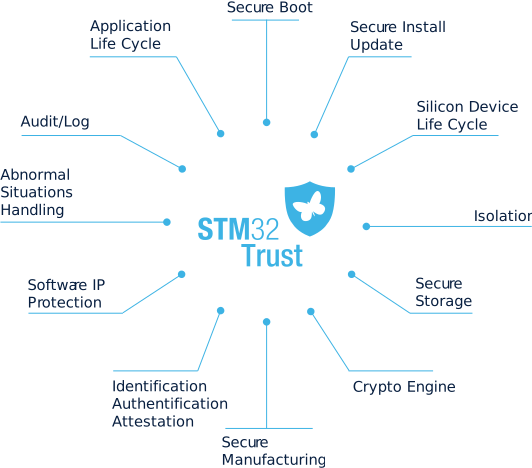
1. セキュアブート
デバイス上で実行されるアプリケーションの真正性および完全性を保証する機能。
2. セキュアインストール/アップデート
ファームウェアのインストールまたは更新を実行する前に、その完全性および真正性を検証する機能。
3. シリコンデバイスのライフサイクル
制限されたプロセスを通じて状態を管理し、シリコンデバイスの資産を安全に保護する機能。
4. 分離
アプリケーション内の信頼された領域と信頼されていない領域を分離する機能。
5. セキュアストレージ
データや鍵などの機密情報を安全に保存し、外部から参照されることなくアクセスできる機能。
6. 暗号エンジン
セキュリティ保証レベルの要件に従って暗号アルゴリズムを実行する機能。
7. セキュアマニュファクチャリング
安全ではない環境においてデバイスの初期プロビジョニングを行い、過剰生産を制御するとともに、安全なパーソナライズを可能にする機能。
8. 識別/認証/アテステーション
デバイスおよびソフトウェアパッケージを一意に識別し、デバイス内部または外部からその真正性を検証する機能。
9. ソフトウェア知的財産保護
ソフトウェアパッケージの一部または全体を外部または内部からの読み取りから保護する機能。マルチテナント環境にも対応可能。
10. 異常状態への対応
ハードウェアおよびソフトウェアの異常状態を検出し、機密データの削除などの適切な対処を行う機能。
11. 監査/ログ
セキュリティイベントの記録を改ざん不可能な形で保持する機能。
12. アプリケーションライフサイクル
アプリケーションの状態および資産を安全に保護するために、変更不可能な段階的状態を定義する機能。

セキュア・ブートおよびセキュア・ファームウェア・アップデート

Trusted Execution Environment(TEE)

セキュアな製造
セキュア・プラットフォーム証明
セキュア・ストレージ

暗号
セキュア・ブートおよびセキュア・ファームウェア・アップデート
セキュア・ブートおよびセキュア・ファームウェア・アップデートは、アプリケーションのルート・オブ・トラストを確立するために不可欠なコンポーネントです。セキュア・ブートは、デバイスで実行されているアプリケーション・ソフトウェアが本物であり、変更されていないことを保証します。それに対し、セキュア・アップデートは後の段階での不正な変更を防止します。さらに、セキュア・アップデートにより、製品ライフ・サイクル全体を通じてバグ修正とセキュリティ強化が可能です。製品シリーズに応じてさまざまなソリューションが用意されており、いずれもオンボードのハードウェア対応策を最適に活用します。
X-CUBE-SBSFUは、STM32マイクロコントローラの組み込みプログラムの検証と更新が可能なセキュア・ブートおよびセキュア・ファームウェア・アップデート・ソリューションです。このソリューションは幅広いSTM32シリーズに実装されており、現在セキュリティ開発エコシステム内で最も使用されているソリューションの1つです。
サポート対象のシリーズ
SBSFUは、X-CUBE-SBSFUソリューションと同じ機能を提供しますが、実装が異なります。これはMCUBootアーキテクチャがベースで、trustedfirmware.orgのオープンソース・フレームワークに準拠しています。
STM32Cubeパッケージに同梱されており、STM32マイクロコントローラの組み込みプログラムの検証と更新が可能です。このソリューションは一部のSTM32シリーズに実装されています。
- 機能:
- TrustZone®、MPU、メモリ保護(HDP、WRP)、および拡張ライフ・サイクル・スキームの使用
- シングル・スロット(ローカル・アップデートのみ)またはデュアル・スロット(リモート・アップデート可能)
- セキュアなアプリケーションとセキュアでないアプリケーションを、1つのメタデータ・セットで1つのバイナリに組み合せることが可能
- Y-MODEMプロトコルに基づく改ざん不可能なローカル・ローダ・コード例
- 暗号化ハードウェア・アクセラレーションの有無(設定可能)
サポート対象のシリーズ
MCUBootアーキテクチャをベースとするSTiRoTは、購入時にデバイスに統合されているターンキーSTソリューションです。セキュアな不変ブートおよび更新が可能です。
- 機能:
- 認証 / 暗号化用キーをキーストアに格納
- デュアル・スロット・セットアップ
- 完全にセキュアなアプリケーションまたはセキュアなアプリケーション/セキュアでないアプリケーションをサポート (TrustZone®を使用)
- データ・スロットを使用してアプリケーションの更新可能なデータを格納可能
サポート対象のシリーズ
MCUBootテクノロジーをベースとするOEMiRoTは、STM32Cubeパッケージ内で提供されるOEMソリューションです。SBSFUと同様に、セキュア・ブートおよびセキュア・アップデートが可能です。ユーザは、必要に応じて統合や変更が可能です。RDPと組み合わせてWRP保護を使用することで、最初の不変ブート段階にすることができます。
- 機能:
- 認証 / 暗号化用キーをOBKストレージに格納(存在する場合)
- デュアル・スロット・セットアップ
- 完全にセキュアなアプリケーションまたはセキュアなアプリケーション/セキュアでないアプリケーションをサポート(TZの場合)
- データ・スロットを使用してアプリケーションの更新可能なデータを格納可能
- OEMiRoTのコンパイル時に設定およびメモリ・マッピングを定義
サポート対象のシリーズ
MCUBootテクノロジーをベースとするOEMuRoTは、STM32Cubeパッケージ内で提供されるOEMソリューションです。ユーザは、必要に応じて統合や変更が可能です。このスキームは2番目のブート段階であり、更新可能です。
- 機能:
- 認証 / 暗号化用キーをOBKストレージに格納(存在する場合)
- デュアル・スロット・セットアップ
- 完全にセキュアなアプリケーションまたはセキュアなアプリケーション/セキュアでないアプリケーションをサポート(TZの場合)
- データ・スロットを使用してアプリケーションの更新可能なデータを格納可能
- OEMuRoTのコンパイル時に設定およびメモリ・マッピングを定義
サポート対象のシリーズ
OEMiSBは、STM32Cubeパッケージに含まれる独自のOEMソリューションです。OEMiSBは、内部Flashが限られたデバイスに基本的なセキュア・ブート機能を提供するもので、アプリケーションのハッシュ・チェックを実行するだけで、ファームウェア・アップデートはサポートしていません。
書き込み保護(WRP)を使用するとブートローダが不変になり、セキュリティを強化します。SBSFUやOEMiRoTと同様にセキュア・ブートのみをサポートし、ユーザによる統合やカスタマイズが可能です。
- 機能:
- 静的保護(オプション・バイト)をチェックし、実行時保護を有効化し、各実行前にユーザ・アプリケーション・コードの完全性を検証する(真正性は検証せず)
- セキュア・ファームウェア・アップデート非対応
サポート対象のシリーズ
Trusted Execution Environment(TEE)
Trusted Execution Environment(TEE)は、TrustZone®ドメインのセキュアなランタイム・コンポーネントです。マイコンおよびMPUの場合、信頼できるソフトウェアとセキュアな資産管理をTEEハードウェア内に配置することで、さらなる分離を確保することをお勧めします。TEE内部で動作するソフトウェアはデバイスによって異なりますが、STは次のような各種ソリューションを提供しています。
セキュア・マネージャは、Cortex®-M向けPlatform Security Architecture(PSA)に準拠したSTのターンキーTEE OSソリューションです。
- メリット:
- IoTデバイスに必要なすべてのセキュリティ・サービスを提供することで、開発者のセキュリティへの取り組みを簡素化
- クラウドやサーバへのシームレスな接続
- マルチテナントIP保護の提供
これは、バイナリ形式でのみ提供されるシステムオンチップ・ソリューションで、開発者向けにサブライセンスされます。STによって保守と認証が行われ、また長期サポート(LTS)の対象となっています。次のコンポーネントをベースにしています。
- 更新可能なルート・オブ・トラスト(uRoT):セキュア・ブートとセキュア・アップデートを含みます
- セキュア・マネージャ・コア:レベル3までのモジュールおよびサービスの分離を実装するセキュア・パーティション・マネージャ
- セキュリティ・サービス:証明、暗号化、内部の信頼できるストレージ(ITS)、ファームウェア・アップデート
- OEMセキュア・モジュール:OEMまたはサードパーティによって開発され、相互に分離されて機密性と完全性が確保されたモジュール
セキュア・マネージャにより、ユーザはアプリケーション開発に集中してARM® PSA APIサービスを利用したり、場合によっては信頼性の高いモジュールをTEEの信頼できる領域内に追加したりできます。Trusted Firmware-M(TF-M)とAPI互換です。
詳細については、STM32TRUSTEE-SMおよびSecurity:Secure Manager for STM32H5を参照してください。
サポート対象のシリーズ
Trusted Firmware-Mソフトウェアの実装は、Cortex®-M ARM® v7-MおよびArm® v8-M向けPlatform Security Architecture(PSA)のリファレンス実装となります。
- Arm® v8-M上でPSAレベル1および2の分離をサポートするセキュア・ファームウェア
- セキュア・ファームウェアによってセキュアでない側に公開されるインタフェース
- セキュアでないアプリケーションの例を含むセキュア・ファームウェア・モデル
- セキュア・ストレージ
- 証明
- 暗号
サポート対象のシリーズ
通常TF-Aと省略されるCortex®-A向けTrusted Firmware-Aは、Arm®社が提供するセキュアワールド・ソフトウェア・ソリューションのリファレンス実装です。当初はARMv8-Aプラットフォーム向けに設計されましたが、その後STにより、ARM®v7-Aプラットフォームに適合するよう変更が加えられました。Arm®社は、Trusted Firmwareプロジェクトを、Linaroが管理するオープンソース・プロジェクトに移行しつつあります。TF-Aは、信頼できるブート・チェーンを使う場合に、STM32 MPUプラットフォームで第1段階ブートローダ(FSBL)として利用されます。
このコードは、3条項BSDライセンス下のオープン・ソースであり、GitHubでも使用されています。また、Trusted Firmware-A実装に関する専用のドキュメントも用意されています。
サポート対象のシリーズ
OP-TEEは、信頼できる実行環境(TEE)、つまりTrustZone®テクノロジーを使用するArm® Cortex®-Aコアを搭載したマイクロプロセッサで動作する非セキュアLinuxカーネル用のコンパニオンとして設計されたソフトウェア・ソリューションです。OP-TEE APIは、所属先のGlobalPlatform API仕様によって定義されています。主なメリット
- 分離:TEEは、セキュアでないOSからの分離を提供し、基盤となるハードウェア・サポートを使用して信頼できるアプリケーション(TA)を相互に保護します。
- 小さいフットプリント:TEEは、Arm®ベースのシステムと同様、妥当な量のオンチップ・メモリ内に常駐できるように十分小さいサイズを維持する必要があります。
- 移植性:TEEは、各種アーキテクチャや使用可能なハードウェアと互換性があり、複数のクライアント・オペレーティング・サービスやTEEなどの多様なセットアップをサポートしています。
- OP-TEEは、OpenSTLinuxディストリビューション・パッケージの一部として提供され、STM32マイクロプロセッサで使用できます。
サポート対象のシリーズ
セキュアな製造
セキュアな製造では、コードと機密情報をデバイスにセキュアに挿入する必要があります。このプロセスは、OEMの生産環境にセキュリティがない場合や、厳密に管理されていない場合に不可欠です。ST製品では、多くの場合、コードのプロビジョニングと機密情報のプロビジョニングを区別しています。利用可能な各種サービスの概要を以下に示します。
セキュア・ファームウェア・インストール・ソリューションは、デバイスが初めてプログラムされるときに、委託製造業者でのアプリケーション・ファームウェアのプロビジョニングを保護します。
- STM32CubeProgrammerを使用して、セキュリティで保護されていないプログラミング・エンティティで、物理HSMであるSTM32HSMを介して、OEMファームウェアをセキュアにフラッシュします。このセキュアなプロセスは、サードパーティ・プログラマにもサポートされています。
- STM32TrustedPackageCreator(STM32CubeProgrammerに付属)によりOEMバイナリを暗号化するための完全なツールセットを提供します。
- X-CUBE-SFIを使用してテストできます。
セキュア・ファームウェア・インストールのフロー
このフローは、OEMファームウェアの機密性を確保することにより、開発から最終製品の納品までのセキュアかつ包括的なファームウェア保護を保証します。
1.相手先商標製品の製造業者(OEM)が製品ファームウェアを開発
2.ファームウェア暗号化
OEMは、ファームウェアの内容の機密性を確保するために、ファームウェア・キーを使用してファームウェア・ファイルを暗号化します。
3.ファームウェア・キーのセキュアな転送
ファームウェア・キーは、同様に委託製造業者に送信されるHSM内で転送されます。
4.暗号化されたファームウェア・ファイルのセキュアな転送
暗号化されたファームウェア・ファイルも委託製造業者にセキュアに転送されます。
5.SFIツールによるセキュアな製造
委託製造業者は、OEMファームウェアのセキュアなインストールを確保するために、SFIをサポートする標準のプログラマを使用して、暗号化されたファームウェアでSTM32デバイスをプログラムします。
6.製造およびパーソナライゼーション・サイクル
- STM32 SoCの製造は、SFIによってセキュアに実行されます。
- 委託製造業者は、セキュリティで保護されたファームウェアを使用して、最終製品のパーソナライゼーションを実行します。
7.顧客への納品
パーソナライズされたセキュアなファームウェアがインストールされた最終製品が顧客に納品され、生産チェーン全体にわたって知的財産が確実に保護されます。
サポート対象のシリーズ
SSPは、STM32 Arm® Cortex® MPUおよびマイコンに実装されているセキュアなシステム・メカニズムで、OEM委託製造業者などの信頼できない生産環境にOEM機密情報をセキュアかつ制御された方法でインストールできます。
- SSPプロセスは、OEM機密情報を次のことから保護します。
- 委託製造業者によるアクセス
- 抽出または開示
- 過剰生産
- セキュア・シークレット・プロビジョニング(SSP)の主要コンポーネント:
- STM32HSM:プロビジョニング中にSTM32の真正性を検証するために使用される設定可能なハードウェア・セキュリティ・モジュール。認証されるとデバイスごとのライセンスが生成され、単調カウンタが減少します。MPU/マイコンに関する特定のデータを記録し、機密情報の復号化に使用されるOEM対称キーを格納します。
- プログラマ:STM32HSMとSTM32間の通信リンクとして機能する製造プログラミング・ツール(STM32CubeProgrammerなど)。USB DFU/USARTプロトコルを使用し、SSPプロセスをサポートします。
- OEM機密情報:デバイスを保護するためにターゲット・デバイスに埋め込まれるすべての機密情報を含む暗号化データ・ファイル。これには、初期ファームウェア認証用のルート・オブ・トラスト、RMAパスワード、およびその他の秘密キーまたはパスワードが含まれます。このファイルは、STM32TrustedPackageCreator(STM32CubeProgrammerの一部)を使用して生成されます。
- STM32 Arm® Cortex®:セキュアなファームウェアと機密情報を使用してプロビジョニングされるバージンSTM32デバイス。
- STM32へのSSPの実装
- チップ・データへのフル・アクセス権を持ち、次の処理を担う組み込みROMコード
- チップ証明書の生成
- シリアル・インタフェースを介したプログラミング・ツールへの接続
- SYSRAMへのSSPファームウェアのダウンロードと認証
- SSPファームウェアの実行
補足情報
ステップ・バイ・ステップのアプローチを使用してSSPを展開する方法と、完全なSSPプロセスを設定して実行する方法についての専用ページ。
サポート対象のシリーズ
セキュア・プラットフォーム証明
初期証明は、セキュアな操作を行う前に、デバイスが定義されたセキュリティ要件を満たしていることを検証するプロセスです。
STの工場では、デバイスは固有のデジタルID(STの認証局(CA)によって署名された暗号鍵ペアと証明書)でプロビジョニングされます。証明書と公開鍵はデバイスにセキュアに格納され、秘密鍵はセキュアな環境内で保護されます。
この工場出荷時にプログラムされたIDにより、デバイスは外部システムと通信するときに、その真正性と完全性を証明できます。STのCA公開鍵が組み込まれたデバイスは、STによって発行された証明書を検証することで、信頼できるセキュリティ・チェーンを確立できます。
サポート対象のシリーズ
セキュア・ストレージ
機密情報をセキュアに保管し、平文の機密へのアクセスを厳密に制御することによって、機密情報を保護することが基本です。これにより、機密データは常に不正アクセスから保護されます。
保管される情報のタイプ:
- 暗号鍵
- 機密アプリケーション・データ
堅牢なアクセス制御と分離メカニズム:最高レベルのセキュリティを維持するには、厳密なアクセス制御と分離が不可欠です。STM32プラットフォームは、この保護を実施するために、次のような複数の高度なメカニズムを実装しています。
- メモリ保護ユニット(MPU)
- TrustZone®
- セキュア・メモリ領域
- TF-M内部の信頼できるストレージ(ITS)
- Chaining Crypto Bridge(CCB)を使用したキー・ラッピング
- カスタマキーストレージ(CKS)
- ファイアウォール
サポート対象のシリーズ
すべてのSTM32シリーズがサポートされます暗号
STは、複数の暗号化ソリューションを提供しています。製品によって、ハードウェア・アクセラレーションやサイドチャネル攻撃からの保護機能の有無が異なります。次のライブラリ・セットを利用して、実践的なユース・ケースの要件を満たすこともできます。以下は実装の説明です。
- STM32暗号化ライブラリ・パッケージ(X-CUBE-CRYPTOLIB)には、暗号化、ハッシュ化、メッセージ認証、およびデジタル署名用の主要なセキュリティ・アルゴリズムがすべて含まれています。開発者は、データの完全性、機密性、識別 / 認証、否認防止のあらゆる組み合わせについて、アプリケーション要件を満たすことができます
- アルゴリズムはNIST CAVP認証済みです
サポート対象のシリーズ
- 量子コンピュータの登場により、RSA、ECC、DH、ECDH、ECDHEなどの従来の非対称暗号アルゴリズムは危険にさらされています。これを受けて、NISTは量子コンピューティング攻撃に耐えるように設計された一連の新しいアルゴリズムを選択しました。
- STM32ポスト量子暗号ライブラリ・パッケージ(X-CUBE-PQC)には、暗号化、ハッシュ化、メッセージ認証、およびデジタル署名用の主要なセキュリティ・アルゴリズムがすべて含まれています。これには、PQC Leighton-Micali Signature(LMS)とeXtended Merkle Signature Scheme(XMSS)の両方の検証方法が含まれており、主にセキュア・ブート・コード認証に使用されます。また、現在使用されている2者間の秘密鍵を確立するための鍵交換メカニズムを置き換えることができるML-KEM格子ベース・アルゴリズムも含まれています。デジタル署名用にはML-DSAが含まれています。ML-DSAは、プロトコル内のECDSA、EdDSA、RSA-PSSを置き換えることができます。
サポート対象のシリーズ
STFCFは、暗号化スタックを使用するためのいくつかの実装を提供します。
- ハードウェア・アクセラレーテッド暗号化
- STおよびサードパーティの暗号ライブラリ(X-CUBE-CRYPTOLIB、Mbed TLS、X-CUBE-PQCなど)
サポート対象のシリーズ
複雑なサイバーセキュリティ状況の概要
IoT機器や組み込み機器の堅牢なセキュリティを確保することは世界的な優先事項であり、主要市場における包括的な規制の枠組みの策定を促しています。
セキュアなIoT / 組み込みソリューションをグローバルに展開しようとしているメーカーやサービス・プロバイダにとって、これらの多様な規制状況に対処することは不可欠です。
| 標準 / 規制 | 説明 |
|---|---|
| サイバー・レジリエンス法(CRA) | CRAは、インターネットに接続されたデジタル要素のセキュリティを強化することを目的とした欧州のサイバーセキュリティ法です。 |
| RED指令 | RED指令は、インターネットに接続された機器のサイバーセキュリティ要件を満たすことを目的とする、無線機器の販売に関する規制の枠組みで、自己評価または認証機関を通じてコンプライアンスを確保します。 |
| EN 18031 | REDの調和規格 |
| IEC 62443 | ISA / IEC 62443シリーズは、電子的にセキュアな産業用オートメーションおよび制御システム(IT)を実装し、保守するための要件とプロセスを定義しており、運用とITセキュリティの橋渡しをします。 |
| EN 303 645 | コネクテッド・デバイスのセキュリティに関する欧州規格で、コンスーマ用IoT機器のベースライン・セキュリティ要件を定義しています。 |
| 米国サイバー・トラストマーク | 米国サイバー・トラストマークは、組織がサイバーセキュリティのベスト・プラクティスへのコミットメントを示すのに役立つように設計された任意のサイバーセキュリティ認証プログラムです。確立されたセキュリティ標準に準拠していることを示す認識可能なマークを提供することにより、消費者、パートナー、ステークホルダー間で信頼を構築することを目的としています。 |
| ioXtアライアンス | ioXtアライアンスの使命は、さまざまなステークホルダー、セキュリティとプライバシー要件の国際的な調和と標準化、製品のコンプライアンス・プログラム、およびオープンな透明性を通じて、IoT製品の信頼性を構築することです。 |
| CLS | CSAは、IoTセキュリティを強化し、消費者がセキュアなスマート機器を選択する際のガイドを提供し、メーカーに製品のサイバーセキュリティを優先するよう促すために、CLSを導入しました。 |
| JC-STAR | 経済産業省(METI)と独立行政法人情報処理推進機構(IPA)は、「セキュリティ要件適合評価およびラベリング制度」(JC-STAR)を開始しました。今後、経済産業省およびIPAは、ラベルが付与された製品の普及を促進し、より高度なセキュリティ適合基準を策定し、各国との相互承認を行う予定です。 |
STは、必須のセキュリティ機能とセキュリティ・サービスの提供に加えて、開発者がさまざまな規制へのコンプライアンスを容易に確保し、さまざまな最終アプリケーション・セグメントで再利用できるようにために、マイクロコントローラとマイクロプロセッサのセキュリティ保証プログラムの開発にも重点を置いています。
- STM32セキュリティ保証は以下に基づいています。
- Security Evaluation standard for IoT Platforms(SESIP):Global Platform®によって定義され、維持されています。
- Platform Security Assurance(PSA):Arm®によって定義され、Global Platform®によって維持されています。
- NIST CAVP - The NIST Cryptographic Algorithm Validation Program(CAVP):暗号化アルゴリズムを検証して、セキュリティと信頼性に関する連邦基準を満たしていることを確認します。
- NIST ESV - NIST Entropy Validation(EV):暗号システムで使用されるランダム・エントロピー・ソースの品質と予測不可能性を評価するための標準化されたテストを規定しています。エントロピー入力がセキュアな鍵生成および暗号操作に必要なランダム性基準を満たしていることを保証します。
SESIPは、IoTプラットフォームのセキュリティを評価するために開発されたサイバーセキュリティ評価フレームワークで、欧州規格(EN 17927)としてCENおよびCENELECによって採用されています。
SESIPは、IoT機器とその基盤となるプラットフォームのセキュリティ機能と堅牢性を評価するための標準化された方法論を提供します。このフレームワークは、デバイスID、データ保護、通信セキュリティ、ソフトウェア完全性などの複数のセキュリティ・ドメインに対応しています。SESIPの目的は、脆弱性を特定し、IoTプラットフォームが最低限のセキュリティ要件を満たしていることを確認することで、メーカー、開発者、評価者によるセキュリティ制御の実装および検証を支援します。SESIPは、デバイスの製造から廃棄までの脅威に対処するライフ・サイクル・セキュリティに重点を置いています。明確なセキュリティ保証レベルを提供することにより、ベンダーと消費者の間の信頼と透明性を促進します。SESIPは、グローバルな相互運用性を促進するために、国際的なサイバーセキュリティ規格やベスト・プラクティスに足並みをそろえており、定期的な再評価と更新を通じた継続的な改善を奨励しています。
SESIPでは、当該プラットフォーム部分の評価結果を異なるコネクテッド製品に適用できるような方法で、プラットフォーム部分を個別または構成として評価できます。
構成の例は、以下のSESIPドキュメントから抜粋されています。
- SESIP1、SESIP2、SESIP3、SESIP4、SESIP5という名称の5つのセキュリティ認証レベルがあり、階層構造になっています。
- SESIP保証レベル1(SESIP1)は、自己評価ベースのレベルです。
- SESIP保証レベル2(SESIP2)は、ブラックボックス侵入テスト・レベルです。
- SESIP保証レベル3(SESIP3)は、従来のホワイトボックス脆弱性分析です。
- SESIP保証レベル4(SESIP4)は、SOG-IS/EUCC認証プラットフォームの再利用を目的としています。
- SESIP保証レベル5(SESIP5)は、SOG-IS/EUCC認証プラットフォームの再利用を目的としています。
STM32のSESIP証明書は、TrustCBセキュリティ・スキーム・ウェブサイトにあります。
PSA(Platform Security Architecture)は、Arm®によって開発された仕様に基づいており、デバイス保護に対するセキュリティ原則に基づくアプローチを確立します。PSAは、コネクテッド・デバイスのセキュリティを強化するための基本的なフレームワークを提供します。
PSA Certifiedは、IoT機器および組み込みシステムに専用設計されたグローバルなセキュリティ認証フレームワークで、設計から展開までのデバイス・セキュリティの評価および改善に対するアプローチを提供します。このフレームワークは、Arm®が開発したPlatform Security Architecture(PSA)に基づいており、業界のベスト・プラクティスや標準を取り入れています。
PSA Certifiedは、さまざまなセキュリティ・ニーズや脅威モデルに対応する複数の保証レベルを提供します。認証プロセスには、セキュリティに関する主張を検証するための独立した第三者による評価が含まれます。PSA Certifiedは、メーカーのセキュリティ導入を簡略化し、消費者やパートナーからの信頼を高めることを目的としています。
ISO/IEC 15408(Common Criteria)などのグローバルなセキュリティ規格と足並みをそろえることことで、相互運用性を促進します。このプログラムは、チップ・ベンダー、デバイス・メーカー、サービス・プロバイダを含む幅広いエコシステムをサポートしています。全体として、PSA Certifiedはサイバー脅威に関連するリスクを軽減しながら、安全なIoTイノベーションを加速するのに役立ちます。
現在、PSA CertifiedのガバナンスはGlobalPlatform®が担当しています。STM32のPSA証明書は現在もこちらにあります。
NIST CAVPは、連邦情報システムで使用される暗号アルゴリズムを検証するプログラムです。アルゴリズムが厳密なセキュリティおよび相互運用性要件を満たしていることを確認するための標準化されたテストを規定しています。このプログラムは、暗号化、ハッシュ化、デジタル署名などの幅広い暗号化機能を網羅しています。ベンダーは、独立した試験および認証のためにアルゴリズムの実装を提出します。CAVPは、暗号化モジュールの信頼性の維持と連邦サイバーセキュリティ標準への準拠を支援します。
STM32の証明書については、NIST Cryptographic Algorithm Validation Program(CAVP )を参照してください。
NIST Entropy Source Validation(ESV)は、暗号システムで使用されるエントロピー・ソースの品質と信頼性を評価し、乱数発生器がセキュアな暗号操作に不可欠な、予測不可能で高品質なランダム性を生成することを確認します。検証プロセスには、エントロピー入力の厳密な統計的テストと分析が含まれます。ESVは、セキュリティを脅かす可能性のあるバイアス、パターン、または弱点を検出するのに役立ちます。これは、FIPS 140-3などの標準で暗号化モジュールを認証するための重要なコンポーネントです。全体として、NIST ESVは鍵生成およびその他のセキュリティ機能に使用されるランダム性の信頼性を強化します。
STM32乱数発生器の証明書は、CSRCのCryptographic Module Validation Programにあります。
今後の規制および最終製品のコンプライアンスに不可欠なSTM32Trustは、STが提供するソフトウェア成果物を通じた開発者との信頼構築にも力を注いでいます。
これを実現するために、STM32Cube内にSTM32成果物のセキュアなソフトウェア開発ライフ・サイクルを確立しました。この取り組みは、ソフトウェア開発プロセスにセキュリティを統合し、包括的なセキュア・ソフトウェア開発ライフ・サイクルに進化させることを目的としています。
このフローの詳細なドキュメントは、STM32 MCU wiki - STM32Trust software security policiesで入手できます。その他の質問と回答については、STM32Trust software security policies Q&A wikiを参照してください。このプロセスは現在実装が進められており、当初はほとんどのSTM32CubeXXXパッケージと各種セキュリティ・コンポーネントに限定されていますが、順次拡大される予定です。

STM32Trustは、開発者に信頼できるパートナーのエコシステムを提供することも目的としています。専門知識とサービス品質に基づいて厳選されたこれらのSTM32Trustセキュリティ・パートナーは、コンサルティング、トレーニング、鍵生成とプロビジョニング、暗号化ソリューション、設計サービス、完全なソリューションの実装など、幅広いサービスを提供します。
トレーニング
すべてのSTM32トレーニング・コース(STM32G4、STM32F7、STM32L4、STM32L4+、STM32L5、STM32G0、STM32WB、STM32H7、STM32WL、STM32U5、STM32C0、STM32MP1)をオンラインでご利用いただけます。